
The Joys of Getting Lost, Slowing Down, and Finding Real Local Food in Venice
The Insider Verdict
Venice is a city of layers, often hidden beneath the weight of mass tourism. To unearth the genuine culinary tradition of the Serenissima, you must abandon the busy thoroughfares of San Marco. True, historical local food in Venice is found exclusively in the quiet neighborhood bars and family-run stalls where time slow down entirely.
There is a specific cadence to Venetian morning life that travelers rarely encounter. It begins long before the first tour buses arrive at Piazzale Roma, echoing through the morning mist of the lagoon as delivery boats bring fresh regional harvests to the docks. For decades, the city has navigated a complex paradox—deeply sustained by worldwide adoration, yet constantly fighting to preserve its authentic local soul from being commercialized into global tourist traps.
As a local gastronomy expert, I have spent years guiding travelers past the flashy, overpriced tourist menus that line the main canal traffic. The most common complaint from visitors is that Venice lacks an authentic food culture. But that frustration is born entirely from convenience. If you are willing to let yourself get lost in the winding, labyrinthine pathways of the residential sestieri, you will find that the traditional cuisine of the lagoon is vibrant, deeply historic, and incredibly welcoming.
To eat like a true Venetian is to adopt a philosophy of slowness. It means stepping entirely off the busy tourist trails to discover the unassuming, wood-paneled bacari (traditional wine bars) tucked behind hidden canals. It is here that local culture thrives, anchored by centuries-old maritime customs and a profound reverence for the seasonal gifts of the sea.

The Ritual of the Bacaro
The true gateway to understanding local food in Venice begins with the daily ritual of cicchetti—the exquisite, bite-sized Venetian tapas served on small saucers over a glass of regional wine, or ombra. This is not merely a meal; it is a foundational pillar of community life. In the quiet corners of neighborhoods like Cannaregio and Castello, residents gather at small bars to catch up on daily news, completely unbothered by the frantic pace of the outside world.
When you stand at the counter of an authentic neighborhood bacaro, you are treated to culinary history shaped by centuries of spice trading. Masterful local cooks display platters of sarde in saor—sweet and sour sardines marinated with onions, pine nuts, and raisins—a traditional dish originally devised by sailors to preserve food on long open voyages. Alongside them sit generous helpings of creamy baccalà mantecato, a decadent spread of whipped Atlantic cod served on slices of grilled white polenta.
The beauty of this ritual is its effortless informality. There are no reservations, no stiff dining protocols, and no tourist premiums. You simply point to what looks fresh, enjoy your wine, and watch the gondolieri and shop owners chat in the melodic cadences of the Venetian dialect. It is a window into a lifestyle that has refused to evolve for the sake of modern commerce.
Sanctuary of the Sea: The Rialto
To witness the absolute raw foundations of Venetian gastronomy, one must bypass the souvenir shops entirely and arrive early at the historic Rialto Fish Market. While the outer edges of the market have faced challenges from souvenir stalls, the central hall remains an absolute sanctuary for food lovers. It is here that the true culinary soul of the city is renewed every single morning.
The tables are piled high with the freshest seasonal harvests from the lagoon: small silver anchovies, delicate triglie rosse (red mullet), whole monkfish, and wild clams. But the true prize of the changing seasons is the arrival of moeche—the rare, tender soft-shell crabs harvested by hand during their brief molting periods in the spring and autumn. This hyper-local delicacy requires specialized generational knowledge to harvest, representing the delicate connection between the environment and the Venetian kitchen.
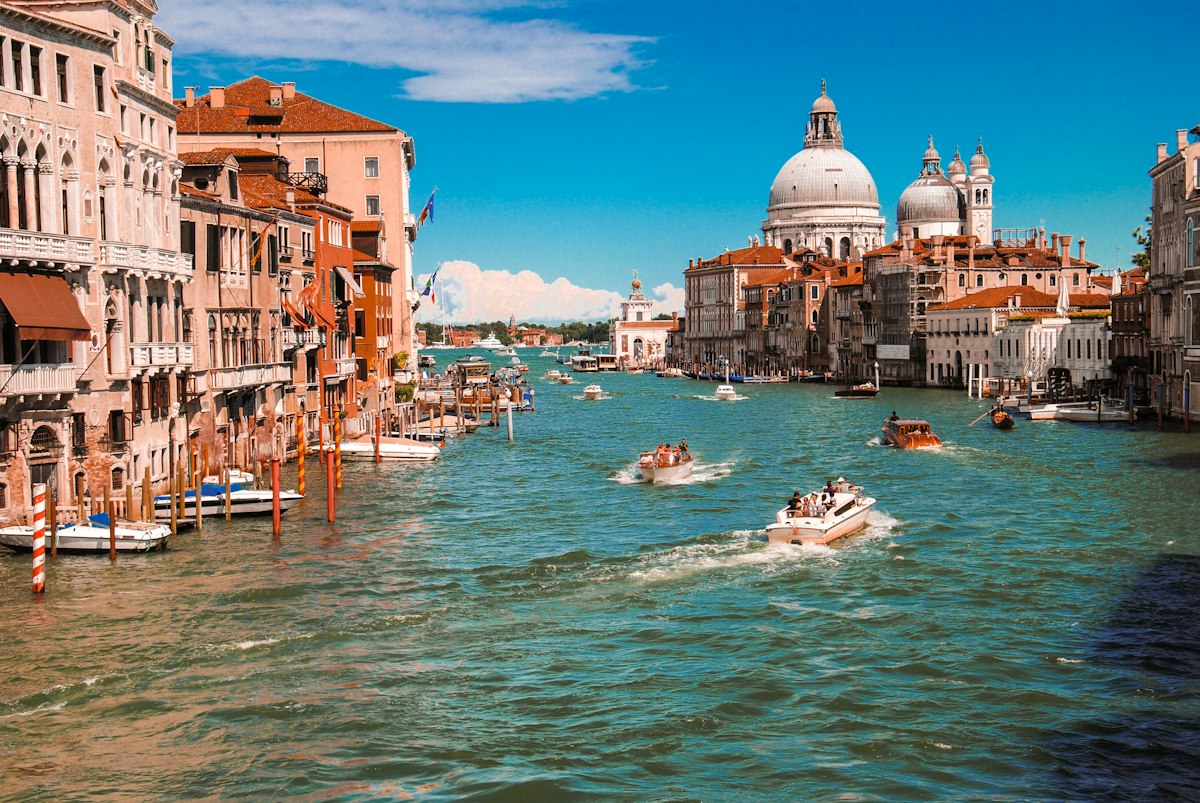
Near the crowded fish market, small neighborhood takeout spots are leading a wonderful, youthful revival of traditional food. Young operators are setting up kitchens to serve classic street food like fritto misto—a crisp, beautifully fried medley of lagoon seafood served in a traditional paper cone. This is the ultimate expression of our cuisine: simple, ultra-fresh, and designed to be enjoyed casually while walking along the historic quays.
The Case for Intentional Exploration
Ultimately, discovering the true magic of Venice requires an intentional shift in perspective. If you treat the city as an amusement park checklist, rushing from one crowded photo opportunity to the next, you will leave empty-handed and disappointed by the commercial tourist dining options. But if you embrace a slower, more deliberate style of exploration, the rewards are infinite.
Slow travel means choosing to stay longer in a single sestiere, allowing yourself the freedom to wander into walled residential courtyards and dead-end canals where laundry dries between the windows. It means supporting the remaining traditional family appliance stores, independent print shops, and historic bakeries that form the fabric of everyday neighborhood life.
When we choose to dine at authentic establishments, we aren’t just securing an incredible, memorable meal—we are directly contributing to the preservation of a living, breathing human culture. Real local food in Venice is an investment in a beautiful heritage that has inspired artists and travelers for a thousand years. It is a memory that will stay with you long after the water has quieted down.