Author: [email protected]

  • Best restaurants in Trastevere

    Best restaurants in Trastevere

    Trastevere neigborhood restaurant
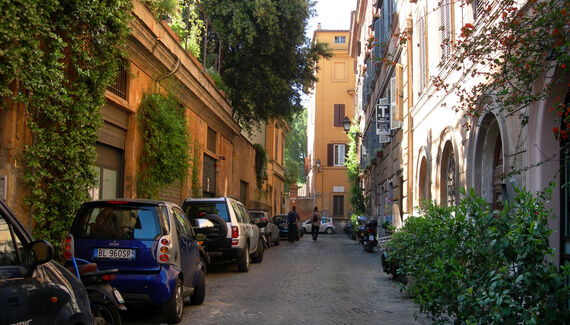
    The Ivy covered streets in Trastevere


    Known for its narrow streets, colorful buildings covered in ivy and historic squares, Trastevere is considered one of the most beautiful districts in Rome. It is no surprise then that Trastevere is loved by tourists and filmmakers alike. With such a beautiful backdrop, it is also a great place to enjoy traditional cuisine and specialties. If you are wondering where to eat in Trastevere when you are taking a stroll through this historic neighborhood, we’ve compiled a list of the best restaurants in Trastevere, according to different local sources.  


    1. Felice a Testaccio – this restaurant has been established in Rome for almost a century.  The word Felice literally means Happy in Italian, and since 1936 to be happy is a guarantee when you step foot inside the restaurant.  If you are a fan of Cacio e Pepe, the visit here is a must.  Within the restaurant structure, they have a nice wine celler with over two hundred Italian wine label.. ( source: Beatrice Tomasini – Grazia).
    2. Vizi Capitali:  if you love seafood, give this restaurant a try because every dish you order here has a sea food base.  The kitchen is run by a young chef, Fabio but do not be fool by his age as he has been trained at the best cooking school specialized in seafood.  Their handmade pasta has quite unique flavor with a generous portion, and their second dish is no exception with the freshest fish brought every day from Terracina port where the chef was born and grew up.   Their desert is also something special (source:Momondo).
    3. Da Carlone:  no bells or whistles: a really classic Roman trattoria or restaurant where you will find many great traditional dishes executed to perfection whether it is your first or second dish.  Recommended dish to try: Oxtail (coda alla vaccinara).  (source:James Dente – Il messaggero)
    4. Glass Hosteria: Despite having a very modern design with glass every where as compared to a more relaxing design in other typical restaurants found in Trastevere, Glass Hosteria is actually quite a nice place for a family out.  Their menu is quite creative with a nice balance between modern and traditional such as crispy anchovies and tuna, chestnuts and porcici mushroom, pumpkin dumpling with  fondue…. If you are not sure what to order and do not feel like shelling out a full price for each dish: you can try their tasting menu ( source:Giovani Italia)
    5. Sette Oche:this restaurant is located just minutes from the Tiberna island and located on a street way less noisy than in the center even though it is still  in the historic Trastevere district. With fresh ingredients and recipes passed down from generations and if what s more: excellent value for money. Once you have a dinner here, you will most likely come back another time   ( source: Yelp)

      best retaurants in Trastevere
      wonder where to eat in Trastevere? Here is our list of best restaurants while you are taking a stroll through the historic district of Trastevere

    With its lively restaurants, dynamic clubs and elegant wine bars, Trastevere is a beating heart of Roman nightlife. The restaurants in Trastevere are famous worldwide for their traditional Roman cuisine. Food is cooked to the highest standard, and ancient recipes are most commonly used. Eating in Trastevere also means enjoying Rome in all its flavors and smells. No matter where you are, all tastes and palates can be satisfied. If you are seeking old Roman atmospheres, Trastevere has it. If you are looking for something more modern or trendy, Trastevere offers a lot, as well. Hundreds of wine and cocktail bars are scattered throughout the district. In particular, at the heart of the neighborhood, is Piazza Santa Maria. Piazza Trilussa and its wine bar is also a favorite place among young people, especially on the weekend. In addition to great food, Trastevere offers good music and live performances. But that’s not all. Visit Trastevere in the late afternoon/evening and you will be enchanted by its gorgeous sunset.

  • Best pizza in Rome

    Best pizza in Rome

    best pizza in Rome
    Must try list of pizza places in Rome

    Whether you like pizza by the slice or round, Roman or Neapolitan, with natural or gourmet leavening, Rome offers it all. To help you choose the right pizza for you in the Eternal City, we’ve compiled a list of the top 10 best pizza in Rome ( or top 10 pizzerias like the locals would refer to it). From Trastevere in Prati through the historic center, you will not regret stopping by one these places during your travel.

    1. Il Buchetto

    Only a five-minute walk from the Piazza del Popolo, Il Buchetto offers reasonably priced, authentic pizza. To go along with Roman tradition, this historical pizzeria only serves thin crust. The restaurant might be small and simply decorated, but its food packs a punch. 

    2. La Monte Carlo

    Considered one of the most sought out pizzerias in Rome, Monte Carlo serves thin and crispy pizza made from traditional Roman dough. Although the line to get into the restaurant may be long, don’t be discouraged! It’s worth the wait.

    3.Pizzeria Baffetto

    Located in the historical center of Rome, Pizzera Baffeto  provides a rustic pizzeria environment perfect for large parties. Similar to Monte Carlo, the line for this restaurant can be long, but it is certainly worth a try. Its thin crust is extremely memorable.

    4. Pizzeria La Marguerite

    As one of the most famous pizzerias in Rome, Pizzeria La Marguerite’s dishes are a retelling of an ancient Roman recipe. Using ground cereal, such as millet, barley and spelt, pizzas are topped with additional salt and herbs.

    5.San Marino

    Literally a stone’s throw from Piazza Istria, this small pizzeria is located in the Trieste district. Known for its simple yet familiar atmosphere, visitors can order traditionally made pizzas, topped with fried meat and vegetables. San Marino even offers outdoor seating for those who wish to take in the view. 

    6. La Gatta Mangiona

    Located in Monteverde, La Gatta Mangiona is a paradise for lovers of pizza, suppli, and craft beers. The menu, which matches pizza with wine – such as Riesling Kabinett, Margherita Napoletana and Cerasuolo Montepulciano – also presents other specialties. Included in this is pizza dello zio and Genoese-style focaccia.

    7.Pizzarium

    Known as the Michelangelo of pizza, master baker Gabriele Bonci serves some of Rome’s best sliced pizza. Using quality ingredients, seasonal products and unexpected combinations, each slice is a work of art.  The dough is made of organic stone ground flour and prolonged leavening. Visitors will also be impressed by Bonci’s selection of craft beers and friendly service.

    8.Tonda

    Serving pizza that is strictly baked in a brick oven, Tonda provides a simple yet pleasant space to eat. Whether you are in the mood for fried starters or specialty pizza, such as trapizzini (white pizza triangles in the form of a “pocket,” stuffed with eggplant parmigiana, tripe and other Roman specialties), everything is waiting at Tonda.

    9.Sforno

    Using the utmost care in choosing flour for pizza, Sforno does not disappoint. Sforno uses extra-long rising to create puffy and thick crust. The toppings are dense and highly delectable. In the mood to try something new? Their most famous pizza, The Greenwich, is served with mozzarella, stilton and a port reduction.

    10.Roscioli

    Roscioli has been a staple for the citizens of Rome since 1972. Located near Campo de ‘Fiori, the Roscioli family’s passion for cooking and fine ingredients has been passed down for four generations. For many natives, Roscioli continues to be a tradition. Although the restaurant was recently renovated, its original taste is still here. Depending on what you are in the mood for, Roscioli serves it all.

    There are many pizzerias in Rome: every corner you turn to would likely to have a pizza shop there, and the options could be overwhelming.  For only a few short days in Rome, we strongly suggest trying one on our list above for places with  unrivaled Pizza in Rome voted by locals.

  • Eating Gluten Free in Rome

    Eating Gluten Free in Rome

    Eating gluten free in Rome Celiac disease and gluten intolerance are increasingly common and widespread autoimmune disorders. For those who cannot tolerate gluten, traveling can oftentimes be a struggle. Fortunately, your food choices will not be limited in the Eternal City. In Rome, many restaurants specialized in gluten-free cuisine. Below are just a few of our suggestions:

    1.  Mama Bistrot in San Pietro area

    A stone’s throw from St. Peter’s Basilica, Mama Bistrot sits in the heart of the Prati district and offers delicious and authentic gluten-free meals. Whether you are visiting for lunch or dinner, gluten-free pasta and desserts are always guaranteed to be on the menu.

    2. Pinturicchio

    Located in the Monte Milvio area, Pinturicchio provides an elegant atmosphere and a menu section dedicated to gluten-free cuisine. Fish and meat dishes are creatively prepared and are sure to light up your taste buds.

    3. Mama Eat

    Mama Eat is recognized by the Italian Celiac Association and was the first restaurant in Naples to offer a menu for celiacs. It offers sandwiches, pizzas, pasta, meats and other specialties that are prepared in separate kitchens to avoid cross contamination with those who have gluten intolerance.

    4. Il Viaggio

    Certified by the Ministry of Health and monitored by the Italian Celiac Association, II Viaggio serves fresh, handmade food that is 100 percent gluten-free. The chefs and waiters are thoroughly trained on celiac disease and can offer a rich menu that is safe and healthy to eat. Offering salty to sweet dishes, visitors can eat on-site or at home, thanks to its quick take-out service.

    5. Taverna Barberini

    Celiacs looking for traditional Roman cuisine don’t need to look far. In the heart of the capitol, Taverna Barberini is a family-run restaurant that serves fresh, gluten-free dishes. Whether you are in the mood for meat, seafood or vegetarian plates, all dishes are cooked with appropriate attention.

    6. La Patatoma

    Located between Rome and Castelli Romani, La Patatoma is a rustic restaurant that serves quality gluten-free dishes at a reasonable price. Starting from 10 euros and up, visitors can enjoy mouth-watering appetizers, grilled meats, pizza and much more.

    7. Voglia di Pizza

    Known for its gluten-free pizza, Voglia di Pizza can virtually take anything from its regular menu and make it celiac-friendly. We suggest the fried zucchini flowers, croquettes and rice balls. Looking for more? This restaurant also serves five different gluten-free beers and an assortment of desserts for celiacs.

    8. Lievito 72

    Lievito 72’s goal is to make authentic pizza that tastes delicious and is easy to digest. Dough takes 72 hours to rise, and gluten-free dishes are prepared in a separate kitchen. In addition to preparing food without risk of contamination, Lievito 72 guarantees that maximum attention is given to raw materials, such as meat, fruit and vegetables. Not sure what dishes are gluten-free? On the menu, ear symbols indicate foods that can be prepared gluten-free for only 1 euro more.

    9. Mangiafuoco Pizza & Grill

    If you are looking for healthy, gluten-free dishes, look no further. Recommended by many travelers, Mangiafuoco Pizza & Grill specializes in preparing celiac-friendly pizzas in a separate wood oven. The staff here is very knowledgable about gluten intolerance diet and would be very happy to provide a specialized service catering to those who can only eat gluten free. Even its homemade desserts are gluten-free. We suggest trying their pastry and torta di nonna ( the literal translation is grandmother’s cake).

    10. Croquembouche

    Craving something sweet? Croquembouche serves gluten-free desserts that will make anyone’s mouth water. From croissants to brioche to cakes, such as Sacher and mimosa, to homemade gelato, celiacs have a lot to choose from. Safe for those who are also lactose intolerant, Croquembouche showcases quality and unquestionable expertise. A definite must during your travel in Rome.

    Feel like learning how to create your own gluten free dishes while you are in Rome ?  From pasta or pizza to pastries … we have it all.  Book one of our cooking classes today.  You can specify in the email whether or not if you would like a customized menu for example, that one Italian dish that you would really like to learn how to make in the gluten free way.

  • Must see places in Rome

    Must see places in Rome

    Sometimes, in order to make traveling a reality, sacrifices have to be made. In a perfect world, time would be on our side. Our vacations would last forever and every destination would be reachable. Unfortunately, though, that isn’t the case. Most times, our trips are limited. Let’s say you want to visit 10 countries in eight days. These types of trips can be whirlwinds of wonder and joy, but they can also be extremely overwhelming. It can be hard to know exactly what to see in any given location when time is of the essence. But have no fear; we’re here to help. If your plan is to visit Rome, Italy, in one day, consult the list below. We’ll tell you exactly what to see and when to see them. Rome might not have been built in a day, but that doesn’t mean you can’t see the very best of it in that time.  Here are our recommendations:


    1. Colosseum


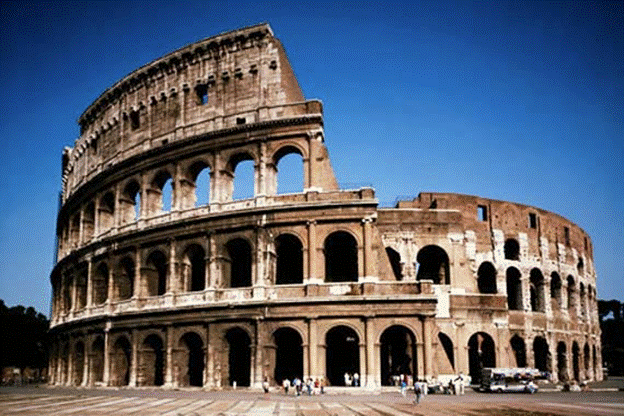
    Voted as one of the New Seven Wonders of the World and considered the greatest monument of the Roman Empire, the Colosseum is truly an authentic and inspiring experience. It is etched with history and is testament to man’s ingenuity. When you visit, pay particular attention to the Roman numeral IV climbing the walls. Then, explore the Forum, which is a nearby rectangular plaza that was historically surrounded by the most important Roman government buildings. For centuries, the Forum was the center of public life in Rome, causing it to be called the most celebrated meeting place in the world and in history. The best time to visit these historical sites is early morning, when lines are shorter and crowds are thinner. Purchase your tickets online beforehand and skip guided tours.

    image002

    Picture of the Colosseum on a sunny day ( and it is certainly a lot more crowed than what this picture is showing, so plan ahead).


    1. Pantheon


    To Michelangelo, the Pantheon was the work of angels. It is a perfect sphere that rests on a cylindrical base. The only source of light comes from the oculus, which is the circular opening in the center of the dome, and the floor is slanted to drain rain.  Considered one of the most popular buildings in the world, its architecture and design has been emulated many times. In fact, Thomas Jefferson admired it so much he modeled his home and the Rotunda, at the University of Virginia, after it. His memorial in Washington D.C. is also designed to look like the Pantheon. For almost 1,800 years – from 125 A.D. until the 20th century – it was the largest concrete structure in the world. It is the burial site of the artist Raphael and houses the tombs of King Vittorio Emanuele II, King Umberto I and Queen Margherita of Savoy. The Pantheon is spectacular and definitely a must-see during your time in Rome.

    image004

    This picture shows the beautiful dome of the Pantheon.

    image006

    This picture shows sunlight coming through the oculus around noon.

    image008

    This picture shows the outside of the Pantheon.


    1. Trevi Fountain


    The Trevi Fountain is one of Rome’s most iconic sites. Located in the Trevi district, the Fountain is believed to be the most recognizable and beloved fountain in the world. Towering above all is the grandeur statue of Oceano and his intricately designed shell-shaped chariot. Designed by Roman architect Nichola Salvi, it a perfect blend of classicism and baroque. Each year, an estimated 7 million to 10 million tourists visit Rome, and 95 percent of them visit the Trevi Fountain. The other 5 percent have already seen it! Like all masterpieces, the Trevi Fountain tells a story. The fountain’s statues and relics are allegorical, and symbolize and convey a specific concept. Legend states that if you throw one coin in, you’re guaranteed to return to Rome. If you toss in two coins, you’ll fall in love with an Italian, and three coins mean you will marry an Italian! Mama Mia! As the Fountain has just recently reopened after 17 months of restorative work, seeing it now will truly be a highlight of your 24 hours in Rome.


    Curious about what happens to all the money thrown in the Trevi Fountain? Each night, hundreds to thousands of Euros are collected from the bottom of the fountain, and the money is donated to a Catholic charity, which helps Roman families in need.

    image010

    Picture of the Trevi Fountain

    image012

    Another picture of the fountain from a higher perspective


    1. Spanish Steps


    Without a doubt, the Spanish Steps provide one of the best views of Rome. Weaving in between historically rich buildings and surrounded by beautiful flora, the Spanish Steps lead to an early baroque fountain called Fontana della Barcaccia, or “Fountain of the Old Boat.” According to folk legend, a fishing boat was carried to this exact spot during a massive flood of the Tiber River in the 16th century.


    Contrary to its name, the Spanish Steps were not built by the Spaniards. Following a competition in 1717, the steps were designed by Francesco de Sanctis, an Italian architect, and financed by French diplomat Etienne Gueffier’s bequeathed.  


    As you climb to the top of the stairs, you will want to visit the left hand side, as the view from this position is utterly breathtaking. Before you embark on this journey, though, we recommend you wear good footwear. There are a lot of steps!


    A picture of the Spanish Steps in the summer (These steps are part of the Spanish Square or, in Italian, Piazza di Spagna).  As of the writting time of this article, Spanish steps is currently under restoration :( so it doesnt look exactly like in the picture but it is still a great place to hang out!

    image014

    A picture of the Spanish Steps in front of the fountain

    image016

    1. Vatican


    A trip to Rome is incomplete without seeing the smallest city-state country in the world, the Vatican. Home to Pope Francis, the city is an inspiration to people from all walks of life. In case you are not familiar with this tradition, the best place to sneeze in all of Italy is near the Vatican. You may get lucky and be blessed by the Pope!


    To make the most of your time, we recommend visiting the Vatican Museums first. Displaying the immense collections built up by Popes throughout the centuries, the Museums originated from the sculpture collection of Julius II in the 16th century. As with the Colosseum, buy your tickets online to avoid waiting in line.


    Most notable is the unparalleled Sistine Chapel. As the site of the Papal conclave, you will notice breathtaking frescos painted throughout history. And if that isn’t enough to satiate your hunger for rich culture and art, walk over to St. Peter’s Basilica for another magnificent view of Rome. An Italian church, the Basilica is considered one of the most renowned works of Renaissance architecture and is one of the largest churches in the world.


    Vatican from above: St. Peter´s Basilica

    image018

    An aerial view of the Vatican

    image020

    The creation of Adam on the Sistine Chapel´s ceiling (Michelangelo)

    image022

    1. Night Stroll Through Trastevere


    To finish off your day in Rome, you must visit Trastevere for dinner and a nightly stroll. Crossing the Tiber River, you will be charmed by this medieval district that runs at a much slower pace than the tourist-packed highlights of Rome. Known for its captivating personality, you will thoroughly enjoy Trastevere’s pizza, craft beer and wine. It is honestly the best way to discover Rome’s hidden treasures and history.  

    At the end of the day, you will sleep soundly knowing you have seen the very best of Rome.

    Although seeing Rome in one day can be challenging, it’s not impossible. Just follow these tips and you will have no problem crossing off everything on your must-see list. Don’t worry! If you tossed a coin in the Trevi Fountain, you are sure to come back! See you later, gladiator!  


    Picture of this picturesque neighborhood:

    image024

  • Ten Best Trattoria in Rome

    Ten Best Trattoria in Rome

    Years have gone by – indeed centuries – but the charm of Roman trattoria shows no sign of going out of fashion. Although the capitol has, for several years, been home to the highest number of innovations in catering, multifunctional, local pizzerias, that serve gourmet, traditional Roman cuisine, continue to be the inescapable gastronomic goal for tourists and fans alike.

    Below are the ten best trattoria in Rome according to Il Messaggio, a highly ranked news company by locals in Italy ( the suggested price does not include wine 🙂 ).


    1. ROBERTO E LORETTA

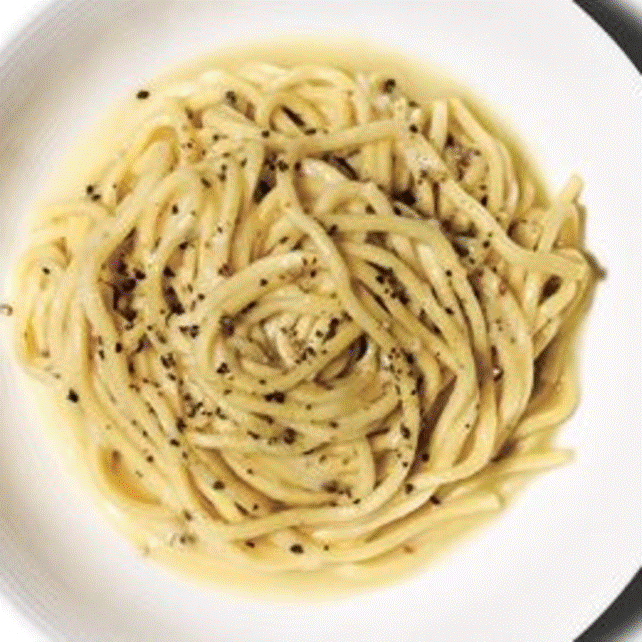
    Located just a few steps from Piazza Re di Roma, Roberto and Loretta is considered a true “small establishment of a large family-owned restaurant district.” It carries a friendly atmosphere and has a repertoire for more than just classic cuisine. Depending on your mood, they offer a multitude of selections, including tripe, artichoke (served in various ways) and cod. But their defining dish is Cacio e Pepe which is a traditional Roman pasta dish comprising of only cheese and pepper.

    Address :Via Saturnia 18; tel. 06/77201037 in case you would like to make a reservation

    Average price for 2: 35 €


    Picture of a dish called Cacio e Pepe

    image002

    1. CAVICCHIA/NELLO L’ABRUZZESE

    Located in the Prati neighborhood, this tratorria is known for its traditional Abruzzo cuisine. Although the restaurant owner is from the Aquila region in Italy, it guarantees authentic Roman cooking, pulling in flavors and richness from the surrounding areas.

    Address :Via Monte Santo 19; tel. 06/37517400. Average price for 2 people is about 35 Euros.

    Interior picture of the Cavicchia/Nello L’Abruzzese trattoria:

    image004

    1. Mama Angelina

    This tratorria is much loved by the Romans, especially by families who come during the holidays or for special occasions. Here, you will find many classic Roman dishes, including rolls of swordfish and broccoli stuffed with pistachios, and a grilled seafood mix. A visit to Mamma Angelina would also not be complete without dessert, which is prepared by chef Angelina herself. This restaurant is truly home away from home. Address: Viale Arrigo Boito 65; tel. 06/8608928. Price for 2: About 45 Euros.

    Picture: Mamma Angelina

    image006


    and yes, this is one of the try hard not to miss desert offered at the restaurant:

    image008


    1. Trattoria Monti

    Despite its name, it is more like a restaurant than a traditional trattoria, and this mother-and-son trattoria may serve traditional food, but guests are sure to taste the influence of Marche. Through the efforts of Sandra and her son, Enrico, Trattoria Monti serves delectable dishes made with grace and lightness. One of its specialties is tortellini with runny egg yolk (pictured below). And if you are in the mood for a glass of wine to go with your dish, they carry an excellent selection.

    Address:Via San Vito 13a; tel. 06/4466573 ( There are only about 40 seats so advance reservation especially on a weekend is highly recommended).


    Price: About 45 euro

    image010


    Pictured: Enrico (left) and Sandra (right)

    image012


    1. CARLONE

    Although they may be located in Trastevere, Carlone is anything but a tourist spot. Cultivating simple and pure cuisine, such as classic pasta dishes, this trattoria is sure to delight your taste buds. In particular, Carlone is known for its amatriciana, carbonara, cheese and pepper, and grice. Address:Via della Luce 5; tel.06.5800039.  Average price: 35 Euros for 2.


    1. DOMENICO DAL 1968

    Domenico dal 1968 is a quaint restaurant, characterized by its small tables. If you are looking for genuine and hearty dishes, look no further. Their kitchen serves traditional dishes with a creative twist, especially in their desserts. While there, don’t forget to try their remarkable amatriciana, a pasta dish that is said to originated from Amatrice (the owner is from Amatrice which should mean that the dish there is as authentic as it would be).

    Address: Via Satrico 21; tel. 06/70494602.

    Price: About 40 €

    image014


    1. SETTIMIO AL PELLEGRINO

    Located in the historical center of Rome, this small restaurant has many loyal customers. The same family has managed it for almost a century, and the dishes certainly reflect their expertise. We recommend trying the meatballs, gnocchi or tagliatelle. Adddress: Via del Pellegrino 117; tel. 06/68801978.  Average Price: 30 €

    image016

    1. HOSTARIA ROMANA

    Its proximity to the Trevi Foundation certainly doesn’t affect the quality of its food. This Roman trattoria bases its reputation on classic dishes that are always served with perfection and calibration. In particular, it is known for its carbonara with artichokes and saltimbocca tiramisu. Their address is: Via del Boccaccio, 1; tel. 06/4745284.

    Price: About 35 €


    Picture of Hostaria Romana

    image018


    And a few more that do not have the word trattoria after its name but they are quite like one ….


    1. Hostaria da Nerone


    Considered a blast from the past from the 1960s, Hostaria da Nerone overlooks the Colle Oppio and offers exceptional food, excellent service and pleasant outdoor seating.  Their address is: Via delle Terme di Tito, 96


    Picture of Hostaria da Nerone

    image020

    1. Roma Sparita


    In the heart of Trastevere, this restaurant overlooks a beautiful square away from the traffic and chaos. It is a pastel-toned restaurant with a country-styled interior, and much of its influence comes from the region of Lazio.


    Picture of the modernly beautiful restaurant.

    image022

    1. Da Gino

    In Vicolo Rosini, a few steps from Montecitorio, the restaurant of Cavalier Gino is home to a beautiful vaulted ceiling decorated with frescoes. You are sure to enjoy home-style Italian dishes, including cheese and pepper, and stewed oxtail. This trattoria is brimming with charm and culture. Check it out!


    A picture inside Da Gino with frescoed ceiling!

    image024


    Stewed oxtail


  • Top ten off the beaten path places to visit in Rome

    Top ten off the beaten path places to visit in Rome

    Rome is not simply a large city, it is a huge city that is full of monuments, history and peculiarity. Rome is so big that even for locals it can be seemingly impossible to know every corner. Perhaps because of its history or  the creativity of city’s inhabitants. If you are tired of seeing the same touristic sites in the Eternal City? Here you can find some suggestions…


    1. “Buco della Serratura” (The Keyhole)


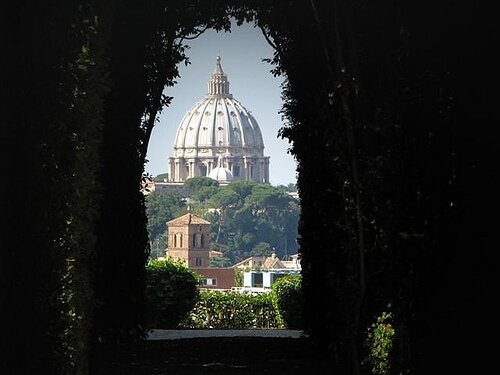
    Recently, this is starting to be a point that is visited by tourists as well so it’s not that “rare” anymore but it still worth mentioning. Located near a picturesque location  “Giardino degli Aranci”, more precisely in Piazza dei Cavalieri di Malta, the keyhole is basically just a door. Wait ,wait, I can already imagine your expression: ‘What’s so special about a door?’ Well, if you see through this keyhole, you can see a beautiful view of the Saint Peter’s dome.


    Not convinced at all? Here is a picture of ¨the door ¨, but really, seeing it in person will certainly make a differencekey_hole

    “Giardino degli Aranci” is said to be one of the most romantic places in Rome as you can enjoy a nice and unique view of the Circo Massimo and the city. In fact, it is usually full of couples, especially during Valentine’s day.


    1. Quartiere Coppedé (Coppedé district)


    This very small district and it is not well know on a tourist map. The whole district is made up by just one small square. The interesting thing about the whole neighbourhood is the style of the buildings: they are built with the Liberty style which is named after the architect who guided is construction, Gino Coppedé, the square and the structures are examples of Art Nouveau, an art movement that took place at the beginning of the last century and spread throughout of Europe. In Italy, it is mainly known under the name of “Lo Stile Liberty” (“Liberty Style”). This neighbourhood gives you the some perspective about the style, and it was a popular choice for use in film sets for several high profile Italian directors and international directors alike such as, Dario Argento and Carlo Vanzina, Richard Donner. And if you need more reasons to visit, is really close to one of the best disco in town, the “Piper Club”.


    1. Shot of the Janicolo’s Cannon.


    Every day, at noon, the cannon stored inside Piazzale Giuseppe Garibaldi (also known by Gianicolo or Janicolo in english) shoots to symbolise the fact that it’s noon o’clock. Yes, no jokes: a shoot of cannon just to say ‘Hey everyone, it’s twelve o’clock’!This tradition was introduced by Pope Pio IX

    n 1847 to have an unique sign of the time, different from the other litterally thousands bells of the various churches in the city. It was interrupted in WWII and, in 1959, it started shooting once again.


    But that’s not all: once you get there, Janicolo’s terrace can also be a perfect occasion to see the whole Rome’s skyline all at once, and since we are talking about Janicolo, you might also be interested


    in…


    1. The terrace of the Spainish embassy


    If you ever happen to go to Janicolo, you might also be interested in walking a little bit further down from there and reach the terrace of Spain’s embassy, located in “Via Garibaldi”, in front of the


    “Fontanone dell’Acqua Paola”. You’ll have the same landscape of the Janicolo’s but from a different angle. It is also in the same place where the first scene of the italian movie “The Great Beauty”, which won the Oscar in 2013, was shot. Since the movie by Sorrentino won the Oscar, this place has started to become familiar.


    1. Centrale Montemartini


    Located near “Via Ostiense”, lot of restaurants or discos but still, no one knows about the existance of this museum, even if it’s probably one of the finest you’ll find in town. This museum was the first power farm that“Acea” (the local power supplier) created back in 1912, this old power station is nowadays also an

    ancient roman museum: within its halls, the exhibition is characterized by the intertwining images between classical archeology and industrial archeology , with the machinery of the plant as a backdrop to the sculptures or vice versa , according to the observation points inside the room . It is breathtaking as it feels as if there was once the presence of two giants and but now have became silent diesel engines. The originally supplied power plant were designed by Federico Tosi, one of the most important mechanical engineer

    of the early 1900 in Italy, who worked really close to Ettore Maserati, the person who later went on to found the famed Maserati automaker.


    1. Parco degli Acquedotti


    Located in the “Tuscolana” neighbourhood, a little far from the center of the city but still within the subway range, it is a very large public park full of old roman aqueducts where the view from the park goes to the Castelli Romani . It is the residue of a stretch of Roman country that originally stretched uninterrupted to the Alban Hills , and is rich in arboreal vegetation , especially pines . It also includes a pond that flows from the aqueduct Felice and that creates a stream and a little waterfall. Aqueducts were a typical structure in the landscape of the ancient Rome: they were built


    in order to bring portable water inside the city.The park was abandoned until 1970s, when a small group of locals decided to join forces to avoid the abandon of this place and revive its beauty


    1. Garbatella


    Garbatella might be called the “heart” of Rome: do you want to go somewhere in the Eternal City and hear typical roman dialect? Well, this is the place for you: within the various dialect that you can hear in town differentiated from foreign influences due to trade in the various other districts, Garbatella still possesses the purest traditions. From there, just get lost in Garbatella: this is the trick for this area. You just have to get lost and explore every alleyway that it has in store for you. It’s the best way. You’ll be plunged into what could be considered the remnants of what Rome used to look like one-two hundred years ago.  

    garbatella_neighborhood

    Garbatella was originally conceived in

    1920 as a part of a bigger project which aimed to create a small harbour in the center of Rome. The project was eventually discarded but the construction of all the surrounding neighbourhood kept on, because during that period there was a strong economic development. The name was not set until 1930: in fact, Garbatella could also have been named as “Concordia” (the italian translation of “good willing”), but to honor the tradition of the neighborhood , the government chose to use the first, that stands for

    “good manners”.


    1. “Remuria”.


    The hidden domus is located in “Vicolo del Puttarello”, and it’s close by Trevi’s Fountain. The entrance, which costs only 3€, will grant you a trip to the discover of a domus (an ancient roman villa) and the rest of an aqueduct that has been brought back to light at the end of the last century.


    Historians says that it was built during the Neronian Age (between 55 and 67 d.C.), an emperor who brought fear in Rome, and then changed into a domus during the fourth century. It is now a very small  museum but the exceptional conditions of the site allow you to see a glimpse of ancient life, and the name, “Remuria” stands for the ancient roman festivities celebrated on 9 , 11 and 13 May , to  exercise the spirits of the dead: the tradition tells that Romulus instituted this festival to appease the spirit of his brother Remus, that he killed.


    9.The Water Clock


    In the heart of “Villa Borghese”, right next to the “Terrazza del Pincio”, from

    where you can have a beautiful sight of “Piazza del Popolo”, lies a watch that was built in the XIX century and was entirely powered by water. Nowadays, the watch doesn’t work anymore but his unique design and the wonderful location in the park inside the “Villa”, really close to the center of the city, makes it a “must see”. The Water Clock was built between the 1867 and the 1872 and it was originally presented at the Paris Expo. It was brought back to “Villa Borghese” in 1873, where it is nowadays, where it receives more care with regular fixes, although its main function doesn’t seem to work properly anymore.


    1. Via Piccolomini


    Last but not least, a little jewel from Rome: “Via Piccolomini”. What’s so special about this little street, you might ask? Let’s try to put in words: Essentially, the further you get from Saint Peter, the bigger it gets and the closer you get, the smaller it gets! A nice play on perspective due to the particular architecture of the buildings of the street that during the night reach

    their peak, the perfect end for a romantic dinner in the close Trastevere district.

  • Legends and history of Italian´s Christmas Cake, Panettone

    Legends and history of Italian´s Christmas Cake, Panettone

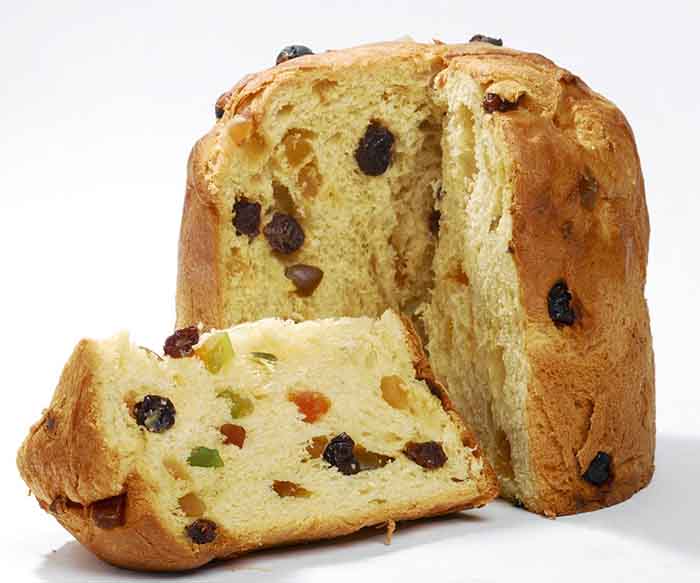
    What would be a more Italian way to wish a Happy holiday season than a gift of Panettone , a dome-shaped cake that is a rich yet fluffy, stuffed with raisins and candied fruit! From its birth in the fifteenth century, it has become so well-known that the cake is commonly see in Christmas celebrations in almost every country in the world. There are many legends about the origins of Panettone, but one of the most popular tale about how Panettone came to be is actually a love story.

    It is said that at the height of the Renaissance era, in the fifteenth century, an aristocrat named Ugo Degli Atellani of Futi were madly in love with a beautiful daughter of a Milanese baker named Adalgisa. At that time, a marriage between a noble boy and a girl from a humble family would be strongly discouraged. Ugo´s family was no exception: they forbade the relationship between Ugo with Adalgisa, so sadly, their love stayed in secret for a long time. When Toni, Adalgisa´s father became very sick, she had to spend longer hours at her father´s bakery and did not have much time to see Ugo. Desperately wanting to meet his beautiful Adalgisa, Ugo put on humble clothes and applied for a job at the bakery as an assistant at Toni´s bakery. He got the job, but another unfortunate event happened: a new bakery shop opened nearby which started taking customers away from Toni´s bakery. Ugo predicted that in order to increase sales, and win back the customers, the quality of the bread needed to be better. He then came up with the ideas of adding eggs, raisins, and candied fruit to the bread with the aroma of lemon and orange which later turned into a huge success. When the first customer bought the cake, its uniqueness and deliciousness advertised on its own that bread of Toni´s bakery was the best in town. Their sales started increasing, and long queues of customers started lining up at their door. The bread is named ¨Pannetone ¨: or it can be interpreted as Il pan de Toni ( bread of Toni). As the bakery becomes really popular with this Christmas cake, Adalgisa´s family gradually becomes rich. Ugo then proposed to Adalgisa, and their wonderful love story continues as the Panettone cake legends…

Chat with Savor Italy